
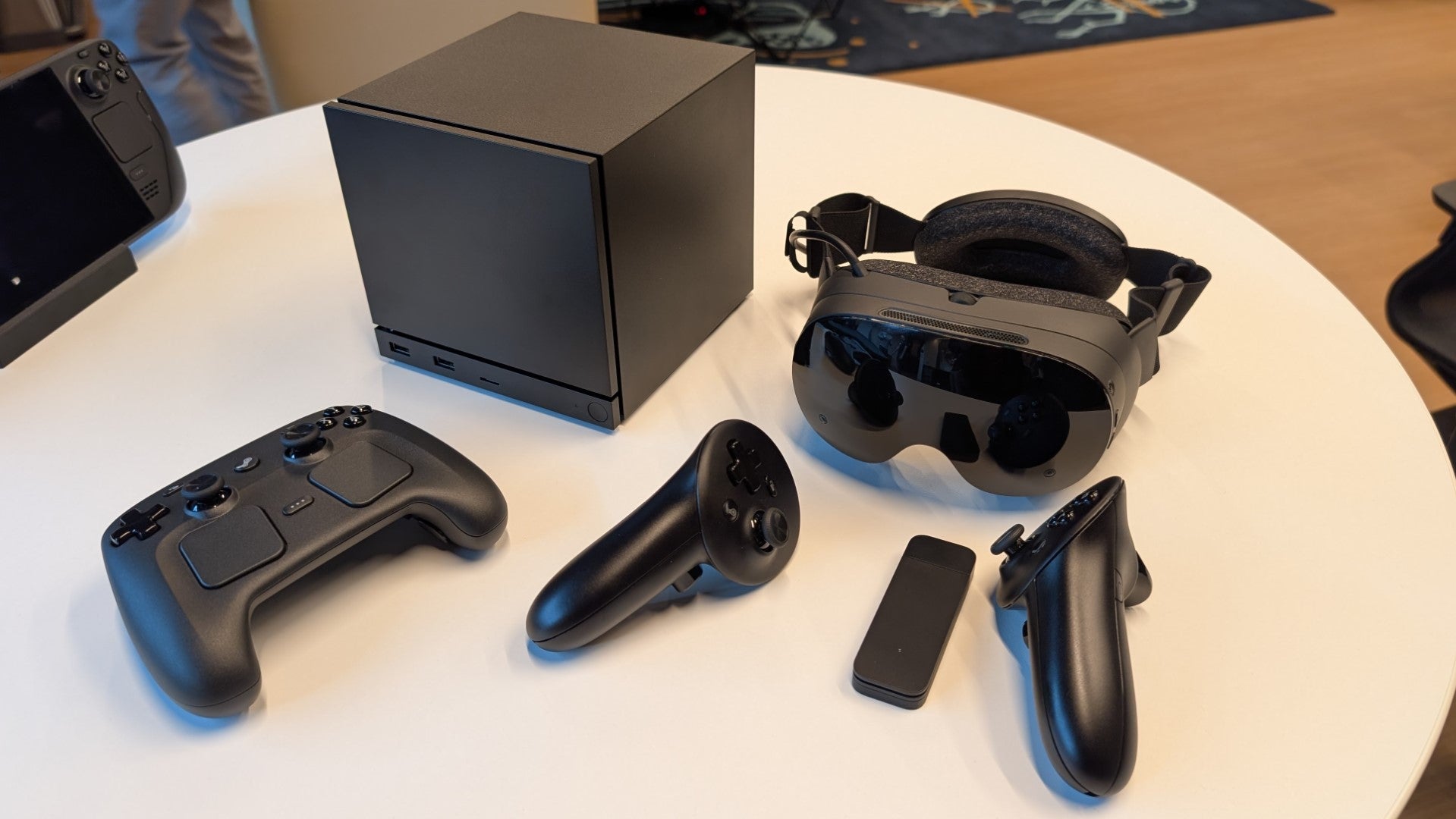
The gaming industry is entering a major transformation, and Valve is positioning itself at the center of it. After more than a decade, the company is reintroducing the Steam Machine, but this time it arrives alongside a redesigned Steam Controller and the ambitious new Steam Frame VR headset, all running on the fast-growing SteamOS platform. Combined with the wildly successful Steam Deck, Valve now has the foundation of a complete hardware ecosystem built entirely around PC gaming.
This isn’t a sudden pivot. Valve has been laying the groundwork quietly for more than ten years. And as the next generation of gaming starts to resemble powerful, flexible PCs rather than traditional consoles, Valve finally has the perfect moment to step forward and redefine what the future of gaming looks like.
A Modern Gaming Ecosystem: Why It Matters Now
When people talk about device ecosystems, Apple inevitably enters the conversation. Apple’s products work beautifully together, your iPhone syncs with your Mac, which syncs with your Apple Watch, and so on. It’s polished, intuitive, and extremely convenient.
Valve is building something similar for gaming, but without the restrictions of a “walled garden.”
The Power of a Unified Experience
A true ecosystem means:
-
Your settings carry over automatically
-
Games and saves sync between devices
-
Your controller works on every platform
-
You don’t need to relearn a new interface for each device
-
Everything feels familiar and consistent
That’s what Valve is aiming for with SteamOS across the Steam Deck, Steam Machine, and Steam Frame.
The difference? Valve’s approach stays open, allowing players to use whatever hardware they want without penalty.
Why Valve Has an Advantage Over Microsoft and Windows
Microsoft has made serious attempts at unifying its device ecosystem, from Windows Phone to modern Xbox integration. Windows PCs can already sync settings, documents, and game saves across devices fairly well.
But there’s one massive hurdle:
Windows Isn’t Designed for Controllers
Windows has always been optimized for mouse and keyboard, and retrofitting it for handhelds, living-room PCs, or controller-only navigation is a huge undertaking. Devices like the ROG Ally and Lenovo Legion Go show the potential but also the pain points.
Valve bypasses this problem entirely with SteamOS, which is designed from the ground up to be:
-
Controller-friendly
-
Lightweight and fast
-
Optimized for gaming first
-
Consistent across multiple form factors
This gives Valve a huge head start in creating a seamless, console-like experience across PC hardware.
SteamOS: Valve’s Secret Weapon and the Heart of Its Ecosystem
Most people associate SteamOS with the Steam Deck’s success in 2022, but its origins go back to 2013. The first Steam Machines failed largely because the OS relied on native Linux games, and too few existed at the time.
Everything changed when Valve funded Proton in 2018.
Proton: The Breakthrough That Changed Everything
Proton allows Linux systems (including SteamOS) to run Windows games. It was rough early on, but over the last seven years, it has matured into a powerhouse:
-
Most games on Steam run through Proton
-
Performance is competitive with Windows in many titles
-
Updates improve compatibility every month
-
Even ARM-based devices can run PC games
In fact, the new Steam Frame VR headset runs Proton on the Snapdragon 8 Gen 3, allowing traditional PC games built for x86 processors to run on ARM hardware. This is something even Apple still struggles with, despite their impressive M-series chips.
Because of Proton, the new Steam Machine launches without the compatibility problems that doomed its predecessor.
An Open Ecosystem With No Walls
For decades, PC gamers had little choice but to rely on Windows. SteamOS is changing that by offering a free, fast, privacy-respecting alternative with broad compatibility.
Valve Doesn’t Lock You In
Unlike Apple or major console manufacturers, Valve doesn’t force you into their hardware:
-
SteamOS can be installed on almost any PC
-
You can replace parts, modify the OS, or install Windows if you want
-
The Steam Controller works on any system
-
SteamOS devices support third-party controllers
-
Community-driven distros like Bazzite offer even more flexibility
Valve provides the toys, but players decide how to use them.
This openness is one of Valve’s greatest strengths, encouraging innovation, customization, and long-term trust from gamers.
The Future of Gaming: Play Anything, Anywhere
Both Microsoft and Valve are selling the dream of universal gaming, your library, your saves, your progress, on any device you choose. But Windows still struggles on handhelds or controller-only setups, while SteamOS thrives there.
Why SteamOS and Linux Are the Future
-
Lean, fast operating systems
-
Better performance on low-power hardware
-
No forced AI features or ads
-
Free to install and modify
-
Consistent interface across devices
-
Strong community support
-
Ever-improving compatibility through Proton
The more people use SteamOS or Linux gaming distros, the more developers will support them. Slowly but surely, Linux gaming is moving from niche to mainstream, and Valve is leading the charge.
A New Era of Open, Flexible, Player-First Gaming
The return of the Steam Machine, paired with the new Steam Frame and controller, is more than a hardware refresh. It’s a sign that Valve is ready to shape the next generation of gaming around:
-
Openness
-
Flexibility
-
Player choice
-
Cross-device consistency
-
Powerful, lightweight software
-
Freedom from bloated operating systems
Gamers want a platform that doesn’t lock them down with subscriptions, ads, and intrusive features. Valve seems ready to deliver exactly that.
The future of gaming isn’t a walled garden, it’s a wide-open playground, and Valve is building the path forward.